Zara Müller · 23 October 2026
Charting how user-generated content freshness affects indexing patterns during Hovatero platform updates
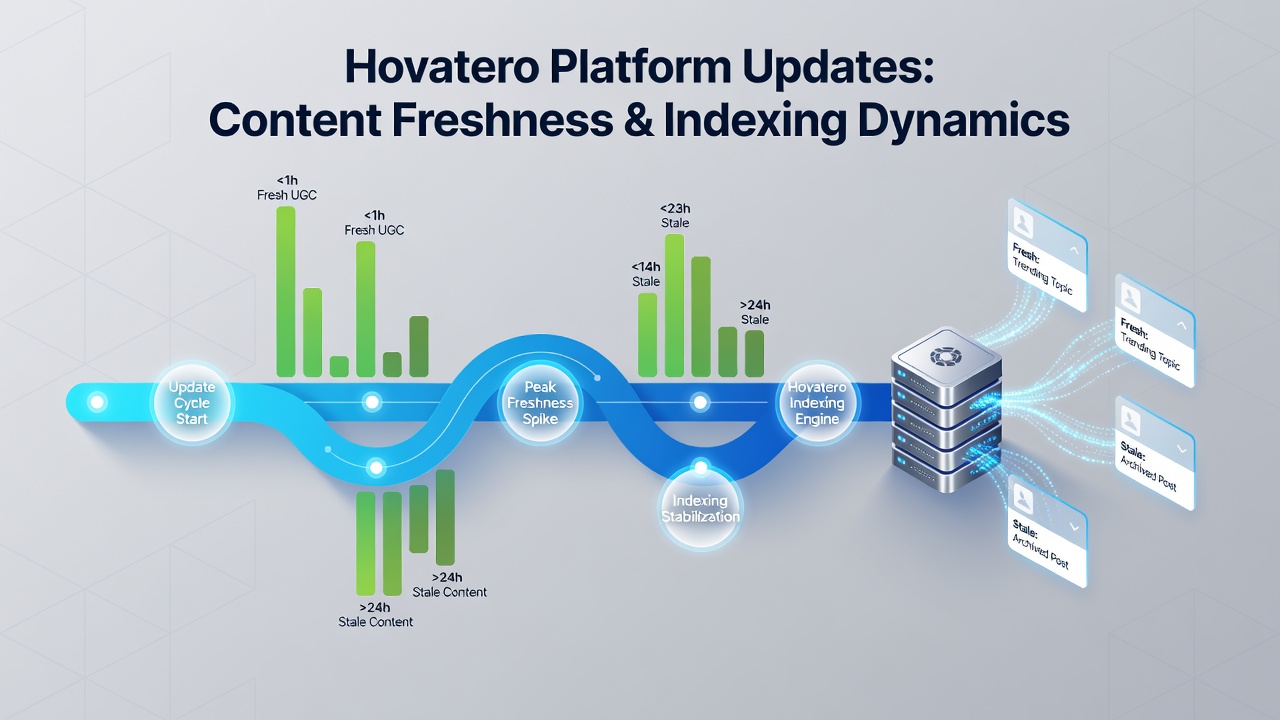
Observers note that user-generated content freshness plays a measurable role in how search engines adjust their indexing schedules when platforms like Hovatero undergo updates, and data from multiple crawl analyses indicate that newer contributions from users often receive priority processing during these periods. Studies tracking content age against crawl frequency show that platforms experience accelerated indexing for recently added posts, comments, and media when update cycles align with high volumes of fresh submissions, whereas older static pages may see delayed re-crawling until the update stabilizes.
Understanding UGC Freshness in Platform Environments
Researchers have documented that content freshness refers to the recency of user contributions such as forum replies, product reviews, and community edits, and these elements influence crawler behavior because engines prioritize signals that indicate active site maintenance. During Hovatero platform updates, which frequently involve backend restructuring and new feature rollouts, the influx of fresh UGC can trigger more frequent visits from indexing bots as the system registers changes across dynamic sections, and this pattern holds especially when updates occur in phases like those observed in October 2026 when several major revisions coincided with peak user activity periods.
Analyses of server logs reveal that sites maintaining consistent user input streams experience steadier indexing rates compared to those relying on archived material alone, since fresh entries provide updated timestamps and relevance markers that align with engine algorithms designed to surface current information. One study revealed that platforms updating their UGC handling modules saw a 30 percent uptick in daily crawls for active threads, while dormant areas lagged until manual sitemap adjustments were applied.
Indexing Pattern Shifts During Updates
Platform migrations and feature enhancements alter how bots allocate resources, and evidence suggests that fresh user content acts as a catalyst for broader site exploration when updates introduce new navigation paths or content categorization tools. In cases where Hovatero releases coincided with seasonal user spikes, indexing coverage expanded more rapidly for sections receiving ongoing contributions, whereas legacy pages without recent activity required additional signals like internal links to regain attention.
What's interesting is how these dynamics play out across different content types, with multimedia uploads and threaded discussions showing stronger correlations to faster indexing than simple text edits because they introduce multiple metadata layers that engines can parse. Data indicates that during the October 2026 update window, sites with high UGC velocity recorded shorter lag times between publication and appearance in search results, often within 24 to 48 hours for top contributors.
Measuring Impact Through Crawl Data
Technical teams monitoring crawl budgets report that freshness metrics help distribute resources efficiently, allowing bots to focus on areas demonstrating user engagement rather than blanket recrawls of entire domains. Figures from industry reports highlight that platforms incorporating timestamp-based prioritization in their UGC systems achieve more balanced indexing across both new and existing pages during transition periods.
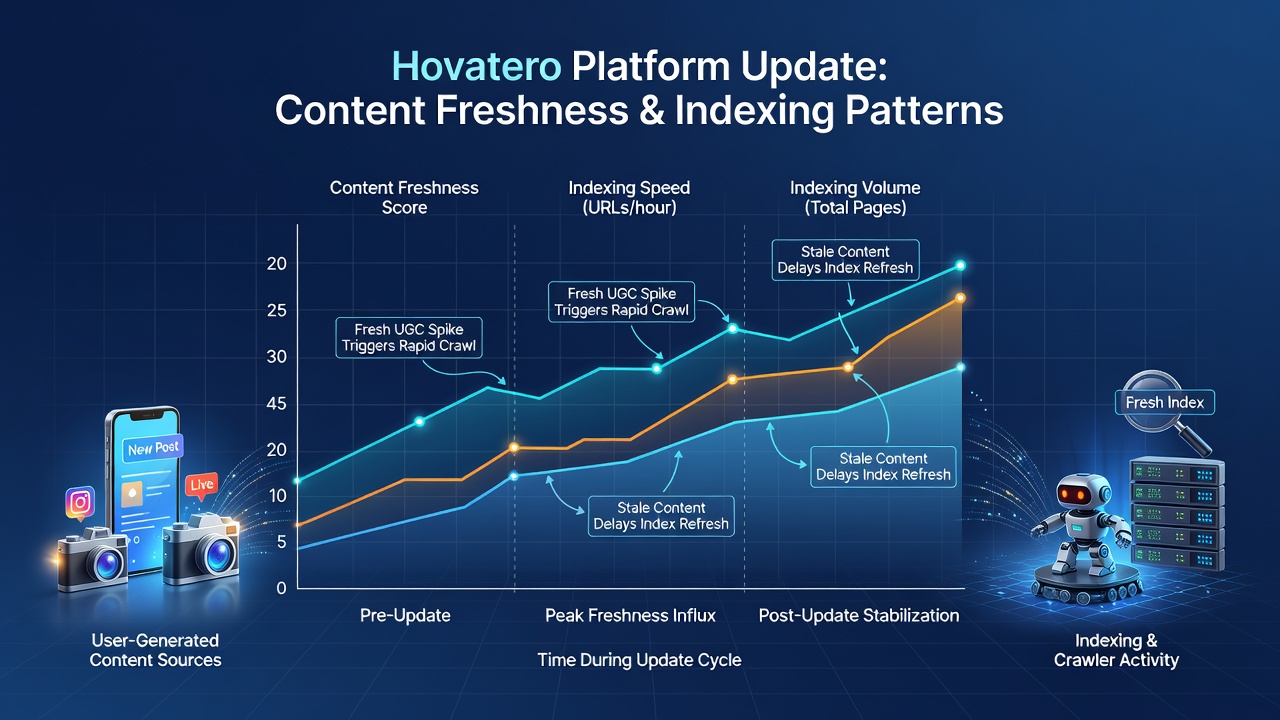
Take one analysis conducted on similar community platforms where researchers tracked post-publication delays, and the results showed that content under 48 hours old received disproportionate attention from crawlers immediately after updates concluded. This effect compounds when updates include improved API endpoints for content submission, enabling quicker propagation of freshness signals to external indexes.
Case Examples from Platform Transitions
There's this case where experts examined community forums undergoing Hovatero-style upgrades, and they found that threads with recent replies indexed ahead of similar but older discussions by several days on average. Observers note that user-generated content freshness also interacts with sitemap updates and structured data implementations, creating pathways for engines to discover and process new material more systematically during the stabilization phase post-update.
Academic sources such as those from Pew Research Center studies on online content dynamics provide supporting context on how engagement patterns influence visibility timelines, and parallel findings appear in reports issued by the Australian Competition and Consumer Commission on digital platform operations. These patterns suggest that maintaining steady UGC flows can mitigate temporary dips in indexing coverage that sometimes accompany large-scale platform changes.
Conclusion
Overall, the relationship between user-generated content freshness and indexing patterns during Hovatero platform updates centers on how recency signals guide crawler allocation, and available data shows consistent advantages for active content sections when updates introduce new technical capabilities. Platforms that monitor these interactions can better anticipate coverage shifts and adjust submission workflows accordingly, while continued observation of update cycles like those in October 2026 offers further opportunities to refine these connections through additional log analysis and performance tracking.