
Logan Jenkins · 6 November 2026
Decoding Real-Time Collaboration Tool Impacts on Team Workflow Efficiency in Adaptive Digital Platforms
Real-time collaboration tools integrate into adaptive digital platforms where teams coordinate tasks through shared interfaces that update instantly across distributed locations, and organizations track these integrations because they alter how information moves between members while reducing delays associated with sequential handoffs. Data from multiple industry analyses shows that platforms supporting simultaneous editing, messaging, and status updates correlate with shorter project cycle times in environments where adaptability matters most.
Core Functions of Real-Time Tools in Modern Platforms
Adaptive digital platforms combine cloud infrastructure with modular interfaces so that collaboration features activate based on user roles and project phases, while real-time elements such as live cursors, version histories, and notification streams operate continuously. Researchers at various institutions have documented that these functions allow teams to maintain context without switching applications, because updates propagate immediately and reduce the need for follow-up emails or meetings. In November 2026, platform providers reported expanded API connections that link collaboration layers directly to analytics dashboards, enabling organizations to monitor participation metrics alongside output indicators.
Workflow Efficiency Metrics and Measurement Approaches
Organizations evaluate efficiency through indicators including average response latency, task completion velocity, and error rates in shared documents, and analysts compare these figures before and after tool deployment to isolate contributions from real-time features. Studies indicate that teams using synchronized editing reduce revision cycles by measurable percentages because contributors address issues as they appear rather than in batches, whereas asynchronous methods often extend timelines when feedback accumulates overnight. External reviews from bodies such as the Organisation for Economic Co-operation and Development highlight that sectors adopting these platforms experience gains in cross-functional coordination when data flows without manual transfers.
One documented case involved a multinational engineering group that integrated live annotation tools into its design platform, after which observers noted a drop in approval stages from five to three because stakeholders commented simultaneously on the same files. Another example from academic research groups showed that shared whiteboards integrated with task trackers helped maintain momentum across time zones since participants added notes during overlapping hours without waiting for summaries.
Observed Patterns Across Different Team Structures
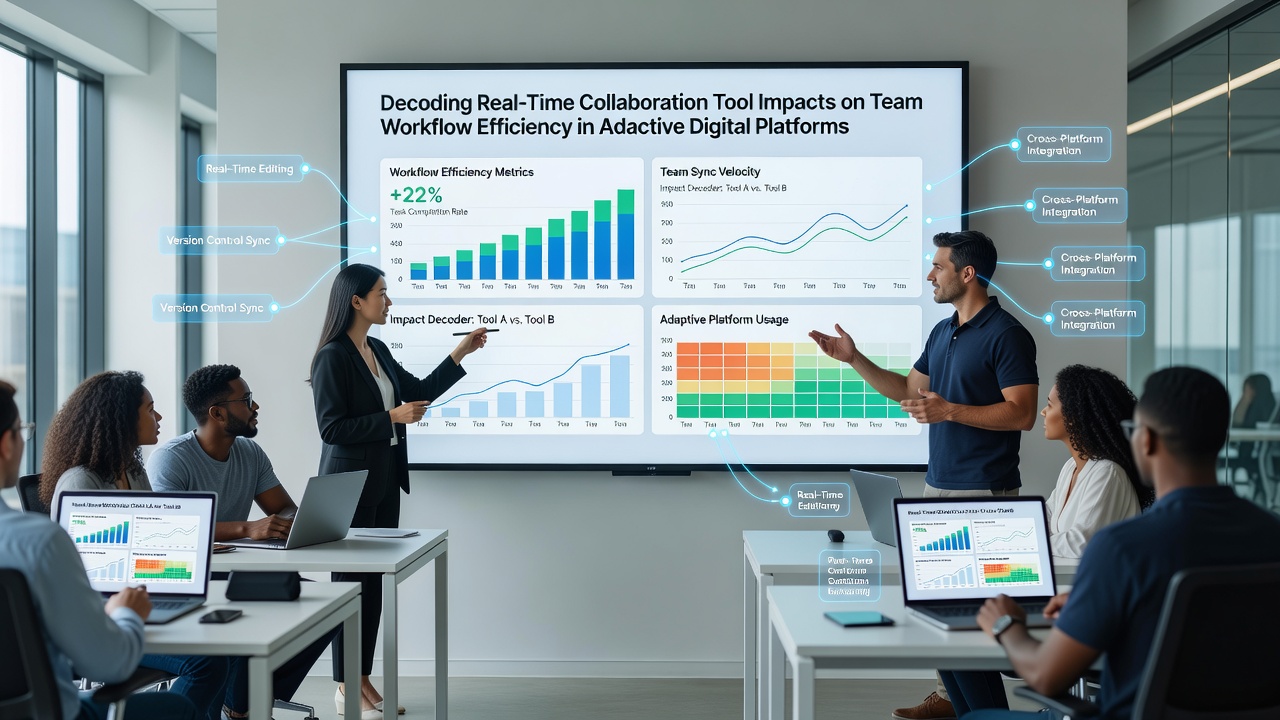
Smaller teams often report tighter feedback loops when collaboration tools embed within existing workflows, because fewer handoffs occur and decisions form during active sessions, yet larger groups encounter coordination overhead when notification volumes rise and members filter signals manually. Data indicates that hybrid arrangements, where some participants work remotely, benefit from persistent chat histories that preserve discussion threads, allowing absent colleagues to catch up without dedicated briefings. Adaptive platforms adjust permission levels dynamically so that sensitive sections remain restricted while other areas stay open for collective input, and this flexibility supports compliance requirements in regulated industries.
Integration Challenges and Platform Adaptations
Implementation requires mapping existing processes to tool capabilities, since mismatches between legacy systems and new interfaces can create temporary slowdowns until training aligns usage patterns. Reports from the European Commission on digital transformation note that successful rollouts include phased testing where teams pilot subsets of features before full activation, reducing disruption while allowing measurement of incremental changes. Security protocols embedded in these platforms encrypt data streams in transit and at rest, and administrators set retention policies that balance accessibility with audit needs, because regulatory frameworks in multiple jurisdictions demand traceable records of collaborative activity.
What's notable is how machine learning modules within adaptive platforms surface relevant documents or suggest connections based on ongoing conversations, and this automation further trims time spent searching for context. Teams that combine these suggestions with manual oversight maintain accuracy while accelerating routine steps, according to aggregated usage statistics shared across research networks.
Conclusion
Real-time collaboration tools embedded in adaptive digital platforms reshape workflow patterns by enabling simultaneous contributions and instant visibility into changes, and available evidence shows measurable shifts in cycle times and coordination costs across varied organizational settings. Continued monitoring of participation data alongside output metrics provides organizations with the information needed to refine configurations, while ongoing platform updates in periods such as November 2026 expand the range of measurable interactions available for analysis.