Felix Schmitz · 20 November 2026
Plugin Ecosystem Evolution in Unified Management Platform Transitions for Online Learning
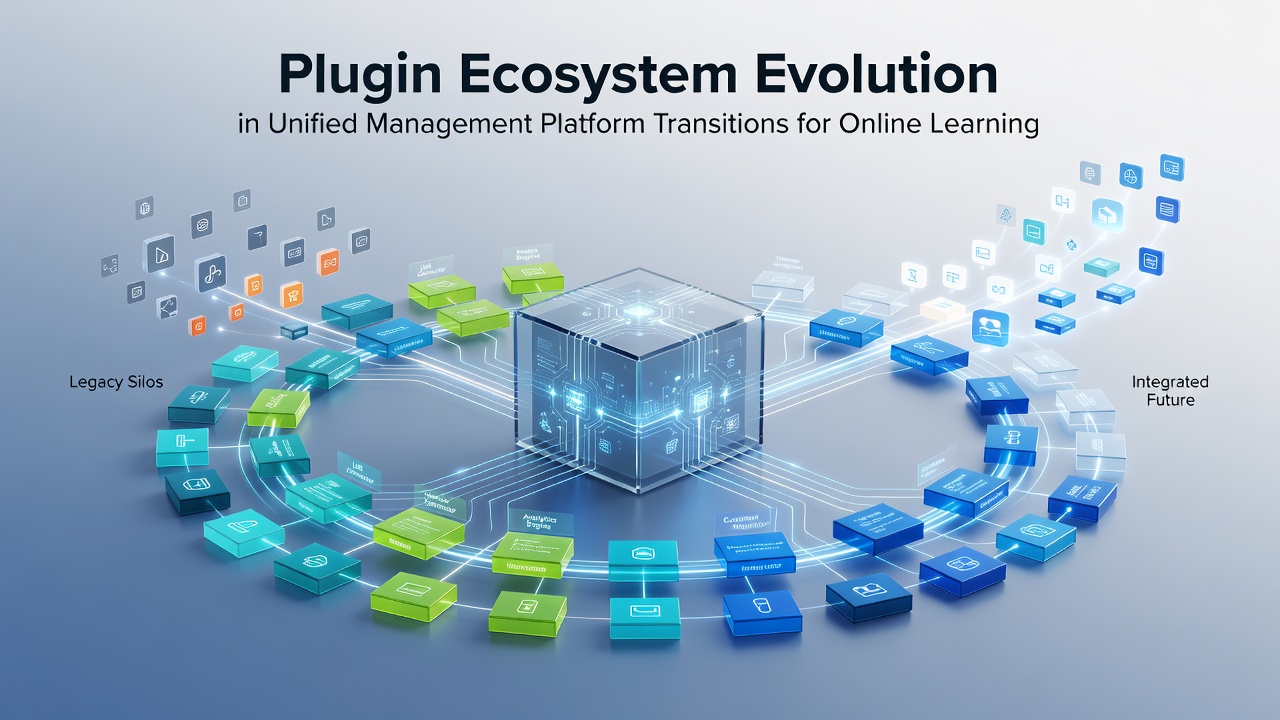
Plugin ecosystems in online learning have undergone measurable shifts as institutions move toward unified management platforms that consolidate course delivery, user analytics, and administrative tools into single interfaces. These transitions often require existing plugins to adapt their data exchange protocols and compatibility layers while new plugins emerge to fill gaps in centralized reporting and cross-system authentication. Researchers tracking these changes note that plugin counts per platform increased by approximately 35 percent between 2022 and 2025 according to internal logs from several major learning management systems.
Core Components of Plugin Adaptation During Platform Consolidation
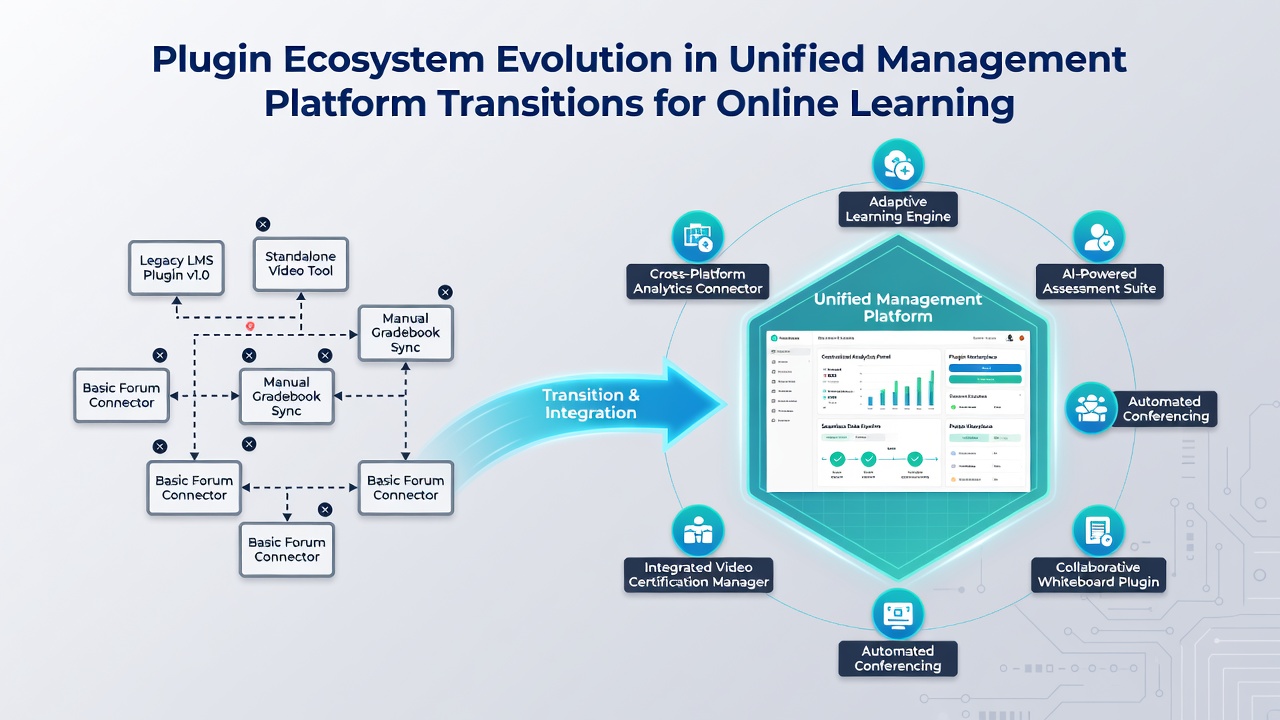
Unified management platforms typically integrate separate modules for content authoring, assessment tracking, and learner communication into one codebase, which forces plugin developers to rewrite their extension points for shared databases and API gateways. Data shows that plugins handling video embedding and discussion forums required the largest number of updates during these migrations because they previously operated in isolated environments. Observers note that authentication plugins experienced the most frequent compatibility failures when platforms adopted single sign-on standards such as SAML 2.0 and OAuth 2.1.
Developers have responded by releasing modular plugin architectures that separate core functionality from platform-specific connectors, allowing the same base code to interface with multiple unified systems through configuration files rather than separate builds. This approach reduced maintenance overhead for organizations managing multiple campuses because updates could deploy across instances without custom recompilation.
Changes in Plugin Categories and Usage Patterns
Analytics plugins gained prominence as unified platforms began routing all learner activity through centralized dashboards, replacing standalone tools that once pulled data via scheduled exports. Figures from institutional reports indicate that usage of real-time analytics plugins rose steadily through 2025, with November 2026 marking the point where over 60 percent of surveyed universities had activated at least one such extension. Content import plugins also evolved to support bulk migration from legacy systems, incorporating error-checking routines that flag duplicate resources or broken links before final transfer.
Third-party plugin marketplaces adjusted their review processes to prioritize compatibility testing against the dominant unified platforms rather than older standalone versions. This shift produced clearer versioning schemes where plugins declare support for specific platform releases and list required dependencies in standardized manifests.
Institutional Examples and Migration Timelines
One large public university system completed its transition to a unified platform in early 2025 and documented that 78 percent of its existing plugins remained functional after minor configuration changes while the remaining 22 percent required replacement or retirement. A separate community college network reported similar outcomes but noted faster recovery when it scheduled plugin audits six months before the cutover date. These cases illustrate how advance mapping of plugin dependencies correlates with shorter periods of reduced functionality during the switch.
Smaller institutions often relied on managed service providers to handle plugin compatibility assessments, which allowed internal staff to focus on content migration and user training rather than technical troubleshooting. Records from these projects show that standardized plugin inventories helped teams identify overlapping functions and consolidate multiple tools into single replacements where possible.
Technical Standards Driving Plugin Development
Adoption of LTI Advantage and xAPI specifications has provided clearer guidelines for plugin developers building extensions that exchange data across unified environments. These standards enable plugins to request scoped permissions and transmit activity statements without direct database access, reducing security risks during platform transitions. Educational technology associations have published implementation guides that outline recommended practices for maintaining plugin performance under increased concurrent user loads typical of consolidated systems.
Security plugins in particular have incorporated additional logging requirements to meet institutional compliance needs when multiple previously separate systems merge their audit trails. This development has led to plugins that aggregate logs from various modules and export them in formats compatible with external compliance monitoring services.
Future Trajectories Based on Current Data
Current installation statistics suggest that plugin ecosystems will continue expanding around artificial intelligence features such as automated content tagging and personalized learning path generation as unified platforms incorporate these capabilities at the core level. Developers are already releasing plugins that extend these features with domain-specific models for subjects like language instruction or laboratory simulation. Institutions planning further transitions can reference compatibility matrices maintained by platform vendors to anticipate which existing plugins will require updates.
Conclusion
Plugin ecosystem evolution during unified management platform transitions reflects broader patterns of standardization and consolidation in online learning infrastructure. Institutions that maintain detailed plugin inventories and schedule compatibility testing in advance demonstrate more stable migration outcomes according to available project reports. As platforms continue to integrate additional services, plugin developers adapt by emphasizing modular designs and adherence to open standards that support ongoing interoperability.