Tina Hartmann · 11 September 2026
Unpacking how historical backlink patterns influence recovery timelines during website address transitions
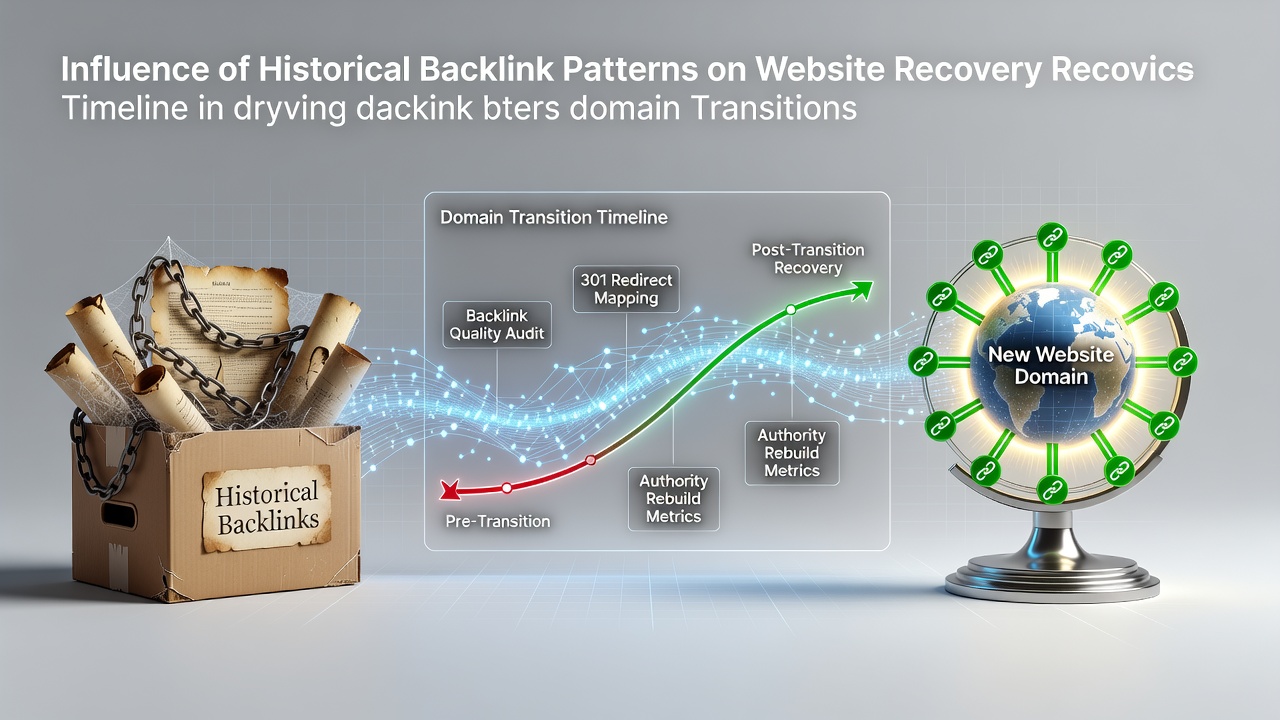
Website address transitions, often called domain migrations, involve shifting content and authority from one URL structure to another, and historical backlink patterns play a central role in determining how quickly search engines reestablish rankings and visibility. Data from multiple studies shows that backlinks accumulated over years carry signals about site trust and relevance, which algorithms evaluate during the reindexing phase after a move. Those who've tracked migration cases note that patterns such as anchor text distribution, link velocity, and domain diversity from the past directly shape the length of recovery periods, which can range from several weeks to over six months depending on the consistency of those signals.
Core Elements of Backlink History in Migrations
Backlink profiles built prior to a transition include metrics like the age of links, their placement on referring domains, adn the topical alignment with the content being moved, and search engines cross-reference these elements against the new address to assess continuity. Research indicates that sites with steady, organic link growth over time experience shorter recovery windows because the patterns align with established quality thresholds, whereas abrupt changes or concentrated link clusters from earlier periods can trigger extended evaluation cycles. Observers note that in September 2026, updated indexing protocols emphasized longitudinal backlink analysis even more, leading to measurable differences in how quickly migrated properties regained previous positions in results pages.
Anchor text variety from historical data also factors into the process, since repetitive commercial phrases paired with low-diversity referring domains tend to slow down the reassessment while balanced, contextually varied anchors support smoother transitions. Studies found that when historical patterns reflect natural acquisition methods, such as editorial mentions across multiple industries and regions, the new domain benefits from accelerated crawl prioritization and authority transfer. This dynamic becomes especially clear when examining large-scale site moves where legacy link data either reinforces or conflicts with current content signals.
Timeline Variations Based on Pattern Consistency
Recovery timelines shift noticeably based on whether historical backlinks demonstrate consistent topical focus or scattered, low-relevance connections accumulated over different eras of the site's development. Evidence suggests that domains carrying forward diverse, high-authority links from multiple geographic sources recover faster because crawlers encounter familiar trust indicators that match the migrated content. In contrast, patterns marked by sudden spikes in low-quality links from past campaigns often extend the period of flux as systems apply additional scrutiny to rule out manipulation signals.
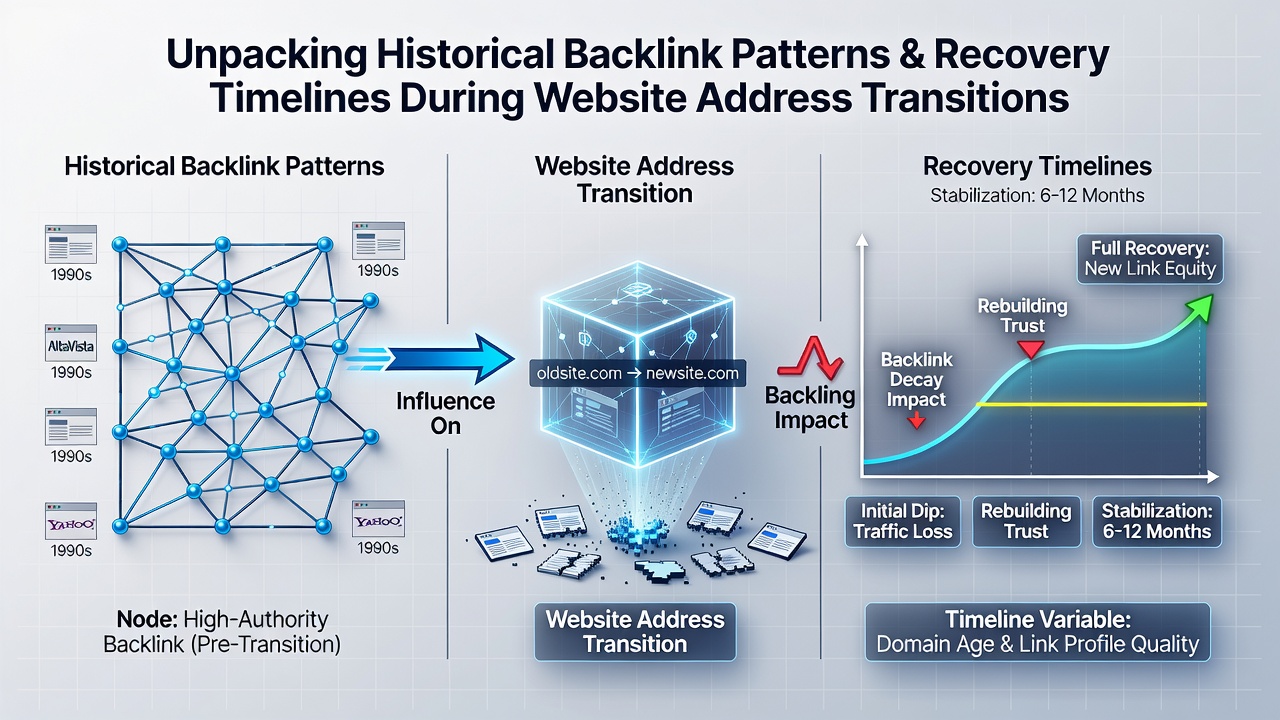
People managing migrations report that maintaining link equity requires mapping old referring domains to new equivalents and monitoring how historical velocity compares to post-move acquisition rates. Data shows that when past patterns include steady monthly link additions from relevant sources, the transition period shortens because the new address inherits recognizable momentum. Yet patterns with long periods of inactivity followed by bursts create uncertainty that lengthens the time needed for full stabilization, particularly when combined with technical migration factors like redirect chains and sitemap updates.
Observed Patterns Across Different Migration Scenarios
Case examples reveal that enterprise sites moving from legacy .com addresses to regional variants often see faster recovery when historical backlinks feature balanced international distribution, according to reports from academic researchers examining digital infrastructure shifts. Those patterns allow search systems to recognize continuity across language and location signals, reducing the duration of ranking volatility. Smaller sites with concentrated backlink histories from niche communities sometimes encounter prolonged timelines if those links lack the breadth that algorithms associate with established authority.
Technical elements such as crawl budget allocation during transitions interact with these historical factors, and data indicates that sites preserving strong backlink patterns from authoritative referring domains receive priority in re-crawling schedules. One study revealed that maintaining historical link velocity through proactive outreach after migration helps sustain positive signals, shortening recovery compared to cases where past patterns showed declining acquisition trends. This interplay highlights why pre-migration audits of backlink age, quality, and diversity remain standard practice among those handling address changes.
Conclusion
Historical backlink patterns serve as foundational reference points that influence how search engines process website address transitions, with consistent, diverse, and contextually aligned profiles correlating to shorter recovery timelines across documented cases. Data from industry reports and academic sources continues to underscore the value of preserving these signals through careful planning and post-migration monitoring, especially as indexing methods evolve. Those preparing for address changes benefit from reviewing legacy link data to align it with new structures, thereby supporting efficient reestablishment of visibility and authority.